
Description
Plant Profile
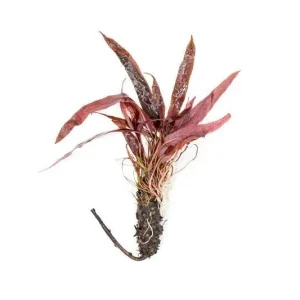
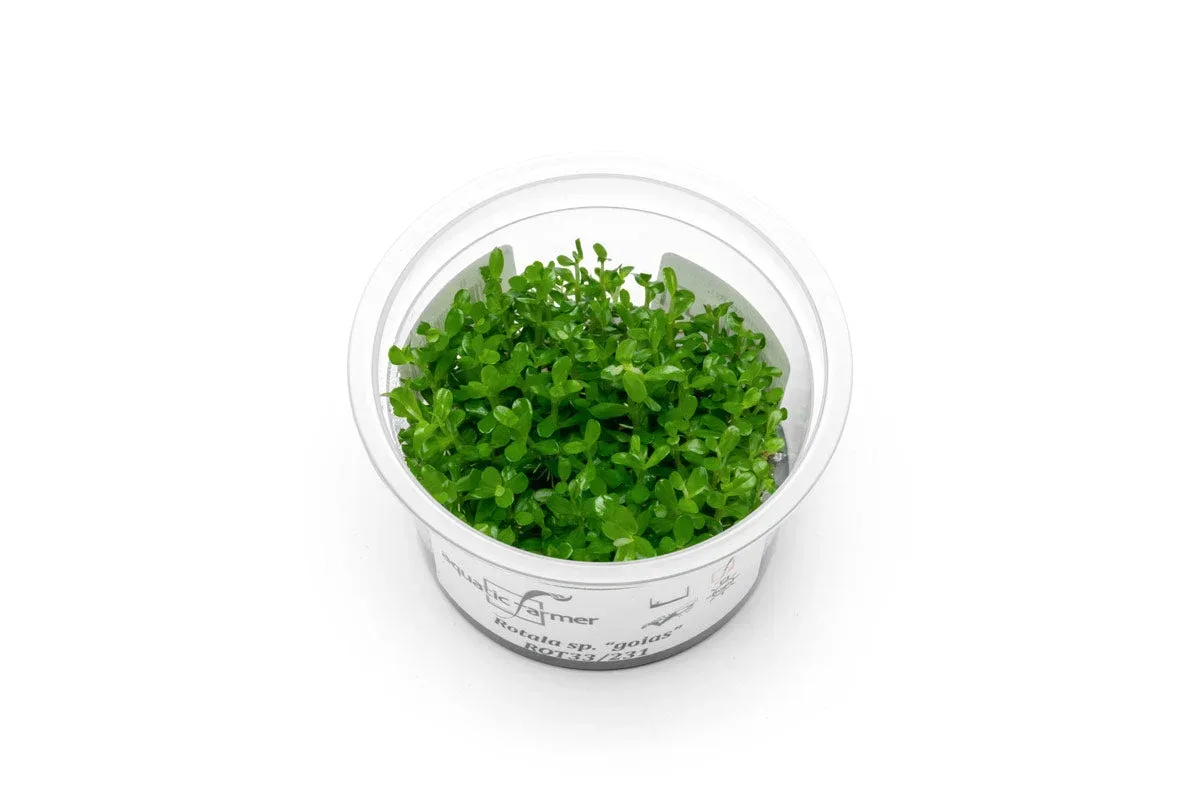
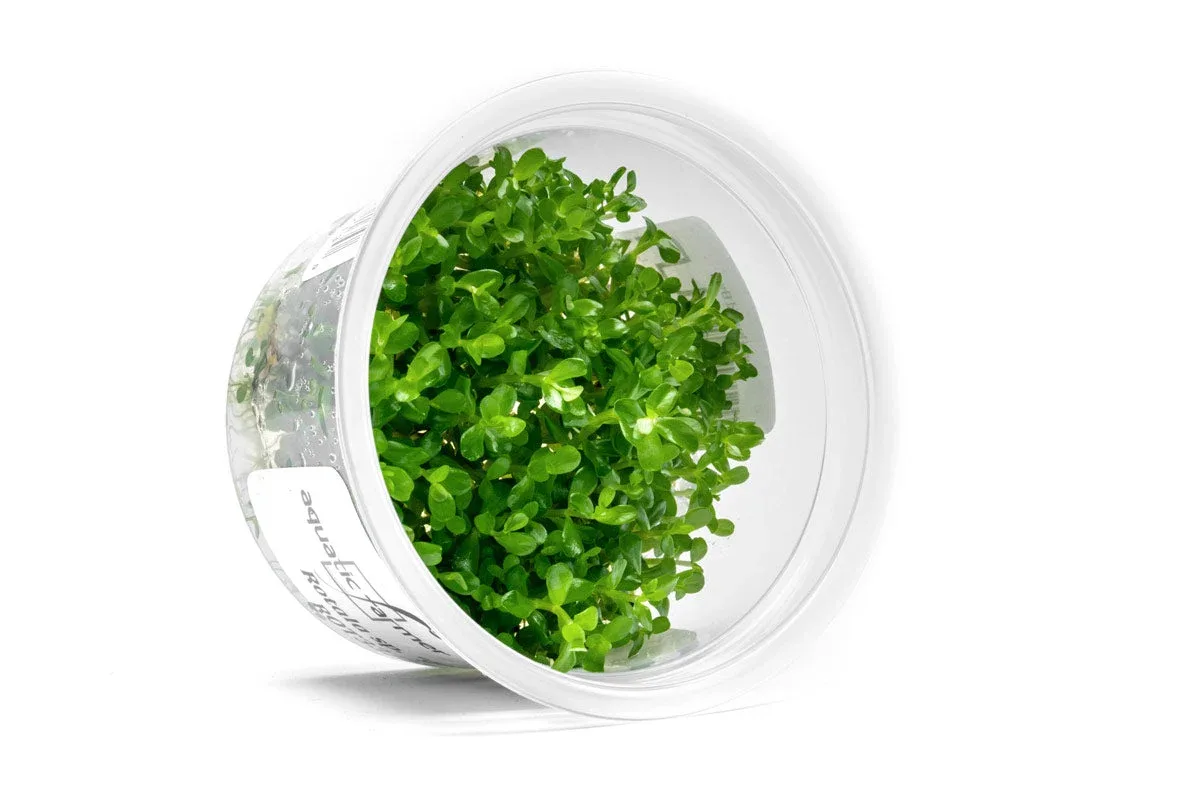
Most Rotala varieties race straight for the surface. Rotala Goias took one look at that plan and went sideways instead, preferring to spread horizontally across the substrate to form a dense foreground carpet. Under high-tech aquarium conditions, its leaves turn from a spectrum of soft green and gold to vibrant pink, salmon, and deep ruby-red. Built for high-light, CO2-injected setups, it brings a bold, multicolored statement to the front of your aquascape, forming a low-growing carpet or creeping midground transition that responds beautifully to routine trimming.
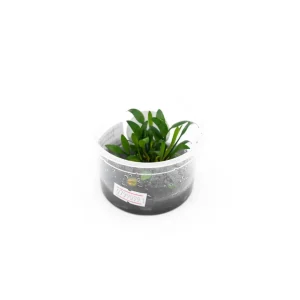
Tissue Culture cups ensure your aquascape gets a super clean starting point. Lab‑grown and fully sterile, it arrives without pests, snails, duckweed, or any unwanted algae. It’s the go‑to option for anyone who wants peace of mind when adding fresh greenery to a carefully maintained setup.
Key Features & Benefits
Unique horizontal creeping habit forms a vibrant, low-growing foreground carpet or midground transition.
Displays a stunning spectrum of green, gold, pink, and ruby-red tones under high-tech conditions.
Care & Planting Instructions
Thoroughly wash away the nutrient gel from the roots with your fingers before parting it out into manageable portions. *Rotala leaves are fragile, so handle stems with care during preparation.
Use fine-tip pinsettes to plant small stem clusters 1 inch apart into aquarium soil along the foreground or midground.
Provide high-intensity lighting and pressurized CO2 injection; consistent fertilization with a specialized liquid macro and micro formula yields robust horizontal growth and intense pink-to-red coloration. See our guide to growing red aquarium plants.
Maintain stable water parameters and avoid sudden parameter swings to prevent stem melting or rotting.
Trim creeping stems with curved scissors once they reach the desired thickness, and replant trimmings directly into substrate to propagate and expand your carpet. Read our trimming & propagation guide for details.
Quick Facts
Listed information should be treated as general guidelines only. Team Buce Plant encourages you to do thorough research to ensure healthy growth!
Attribute
Specification
Scientific Name
Rotala mexicana ‘Goias’ / Rotala sp. ‘Goias’
Common Name(s)
Rotala Goias, Rotala sp. Goias, Rotala Mexicana Goias
Family
Lythraceae
Plant Type / Taxonomy
Creeping Stem Plant
Care Difficulty
Advanced
Light Requirement
High (Essential for compact, horizontal growth and red tones)
CO2 Requirement
Required (Essential for carpeting habit and health)
Placement / Usage
Foreground Carpet / Midground Transition
Height / Size
1–4”+ (Prostrate habit; Cup portion size: 2–3”)
Growth Rate
Moderate to Fast
Water Parameters
pH 6.0–7.5 (Temp: 72–84°F)
Propagation Method
Cuttings (Cut stem tops or runners and replant)
Origin
South America (Brazil)
Frequently Asked Questions
1. Why are the lower leaves falling off my stem plants?
Lower leaf loss (leggy stems) usually occurs when lighting cannot reach the bottom of the plant due to overcrowding or shading from larger plants. Spacing individual stems slightly apart during initial planting and maintaining strong light penetration will keep lower leaves healthy.
2. How do I get Rotala Goias to carpet horizontally instead of growing vertical?
Encouraging Rotala Goias to stay low and spread across the substrate requires very strong lighting and pressurized CO2. High light signals the plant to creep sideways rather than stretching vertically toward the surface.
3. How do I prepare Rotala sp. Goias Tissue Culture before planting?
Carefully remove the gel from the roots by washing the plant in a bowl of room-temperature water or gently rinsing it under a tap. Once the gel is removed, separate the cluster into smaller clumps or individual stems and plant them into substrate using fine pinsettes.