
Description
Plant Profile
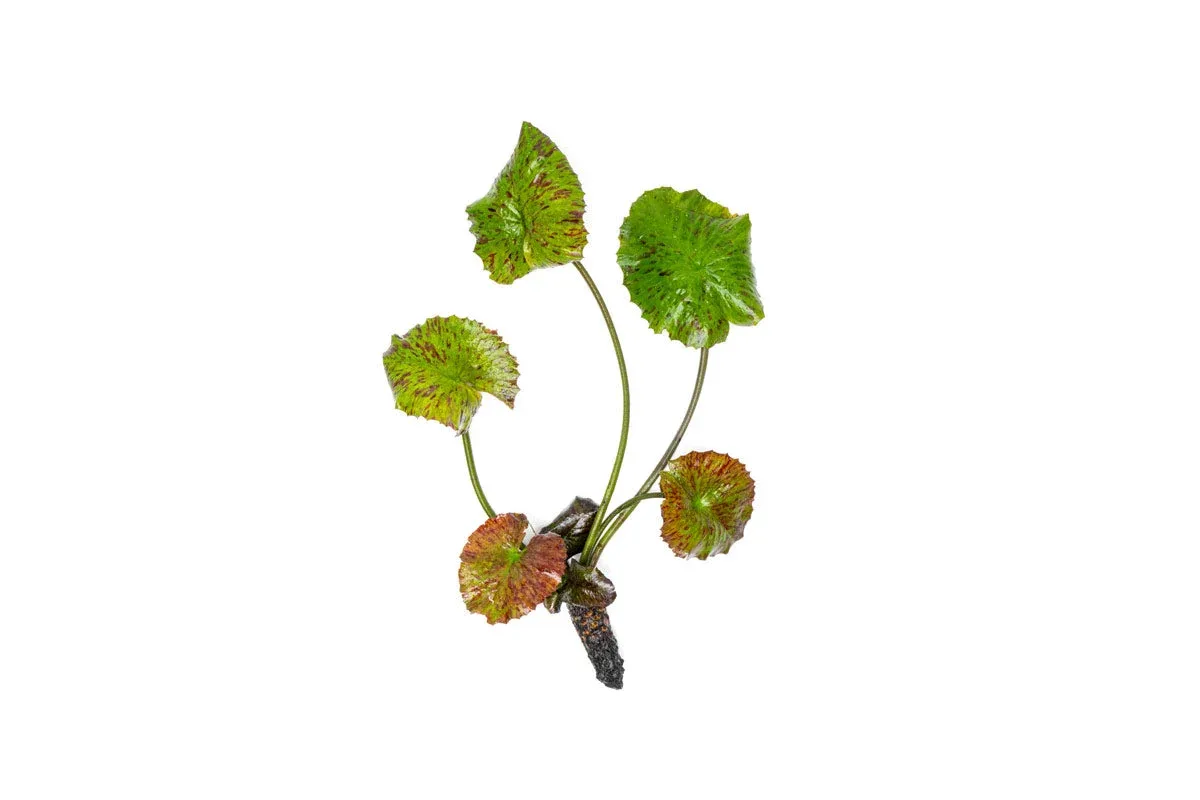
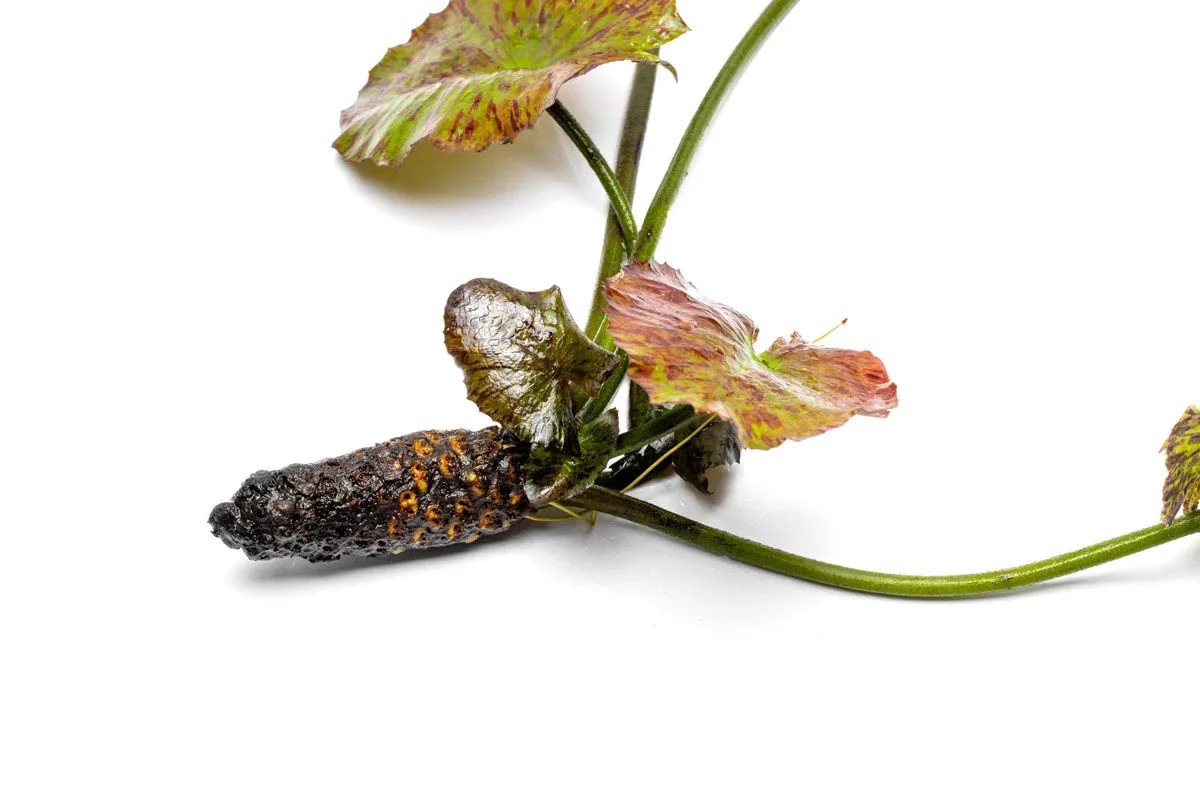
The Red Tiger Lotus (Nymphaea zenkeri) is a stunning water lily that brings an instant splash of rich color and bold shape to any tank. What makes it so special is its dramatic foliage: broad, deep crimson-red wavy leaves covered in variegations of orange, bronze, and brown. It offers incredible contrast when set against bright green carpet plants or delicate stem background hedges. If you keep up with regular pruning, it will stay low and produce a full, bushy rosette of submerged leaves right in your midground. But if you let it stretch its legs, it’ll send long stems up to the surface to form classic floating lily pads. These floating leaves add a lovely, natural pond vibe to the top of your tank while creating comfortable shade and cover for shy fish below.
This listing includes the plant’s bulb. Over time, the bulb may soften and melt as it is replaced by established roots
Key Features & Benefits
Hardy bulb plant that thrives across a wide range of water conditions, making it great for beginners and seasoned aquascapers alike.
Vibrant crimson foliage marked with speckled patterns creates a showstopping centerpiece in any aquarium.
Versatile growth habit lets you trim it low for a bushy midground look or let it float to create natural surface lily pads.
Care & Planting Instructions
Gently press the bulb into your substrate about halfway down, leaving the top half exposed to prevent rot; roots will quickly anchor down into the soil.
Use fine-tip pinsettes to anchor developing root shoots into aquarium soil or use root tabs, as Tiger Lotus plants are heavy root feeders.
Provide moderate to high lighting and clean water conditions; while CO2 is not required, supplying CO2 and iron-rich fertilizer brings out the deepest ruby-red leaf tones.
Maintain stable water parameters to give your lotus a smooth transition and prevent initial leaf melting.
To control growth, simply trim off long surface runner stems at the base to encourage the plant to produce shorter, compact submerged leaves.
Quick Facts
Listed information should be treated as general guidelines only. Team Buce Plant encourages you to do thorough research to ensure healthy growth!
Attribute
Specification
Scientific Name
Nymphaea zenkeri
Common Name(s)
Red Tiger Lotus, Tiger Lotus, Water Lily
Family
Nymphaeaceae
Plant Type / Taxonomy
Aquatic Bulb / Tuber Plant
Care Difficulty
Easy
Light Requirement
Moderate to High
CO2 Requirement
Optional / Not Necessary (Enhances color and leaf size)
Placement / Usage
Midground / Background Centerpiece
Height / Size
4–12”+ (Can send floating leaves up to the surface)
Growth Rate
Moderate to Fast
Water Parameters
pH 6.0–7.5
Propagation Method
Tuber Offshoots / Daughter Bulbs (Separate small side bulbs)
Origin
Africa
Frequently Asked Questions
1. How do I plant a Red Tiger Lotus bulb correctly?
Place the bulb gently on top of your substrate or press it about halfway down so the bottom roots are anchored. Never bury the entire bulb beneath the soil, as burying the top growth point will cause the bulb to suffocate and rot.
2. How do I keep my Tiger Lotus from taking over the water surface?
If you prefer a bushy submerged plant rather than surface lily pads, simply clip off any long stem shoots as soon as they start heading toward the surface. Consistently trimming surface runners signals the bulb to focus its energy on growing short, dense leaves underwater.
3. Why are the leaves on my Red Tiger Lotus turning bronze or green?
Color intensity depends mostly on light levels and nutrient availability. Under lower light and without supplement dosing, leaves may appear more bronze or muted green. Boosting light intensity and adding iron supplements or root tabs will bring out those brilliant crimson and speckled patterns.